What this changes in your workflow
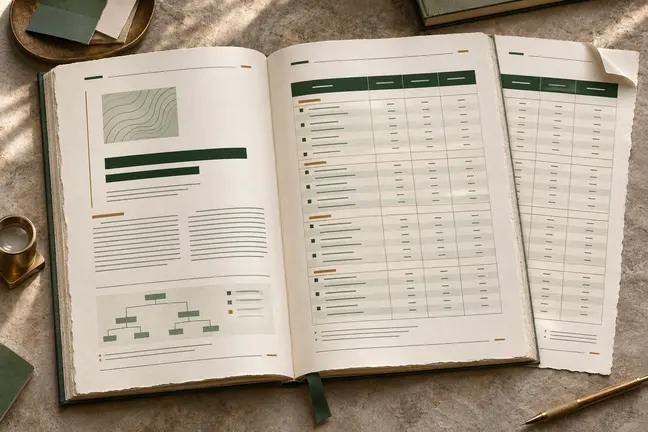
Make the template the home for decisions that should stay consistent: page structure, typography and approved wording. Identify the fields that change so the next run starts with data rather than a layout rebuild.
- Keep common headers and footers consistent across related documents.
- Define where the changing content belongs in the layout.
- Proof long records and optional sections before a run.
What it means for your operation
Turn the next run into an update
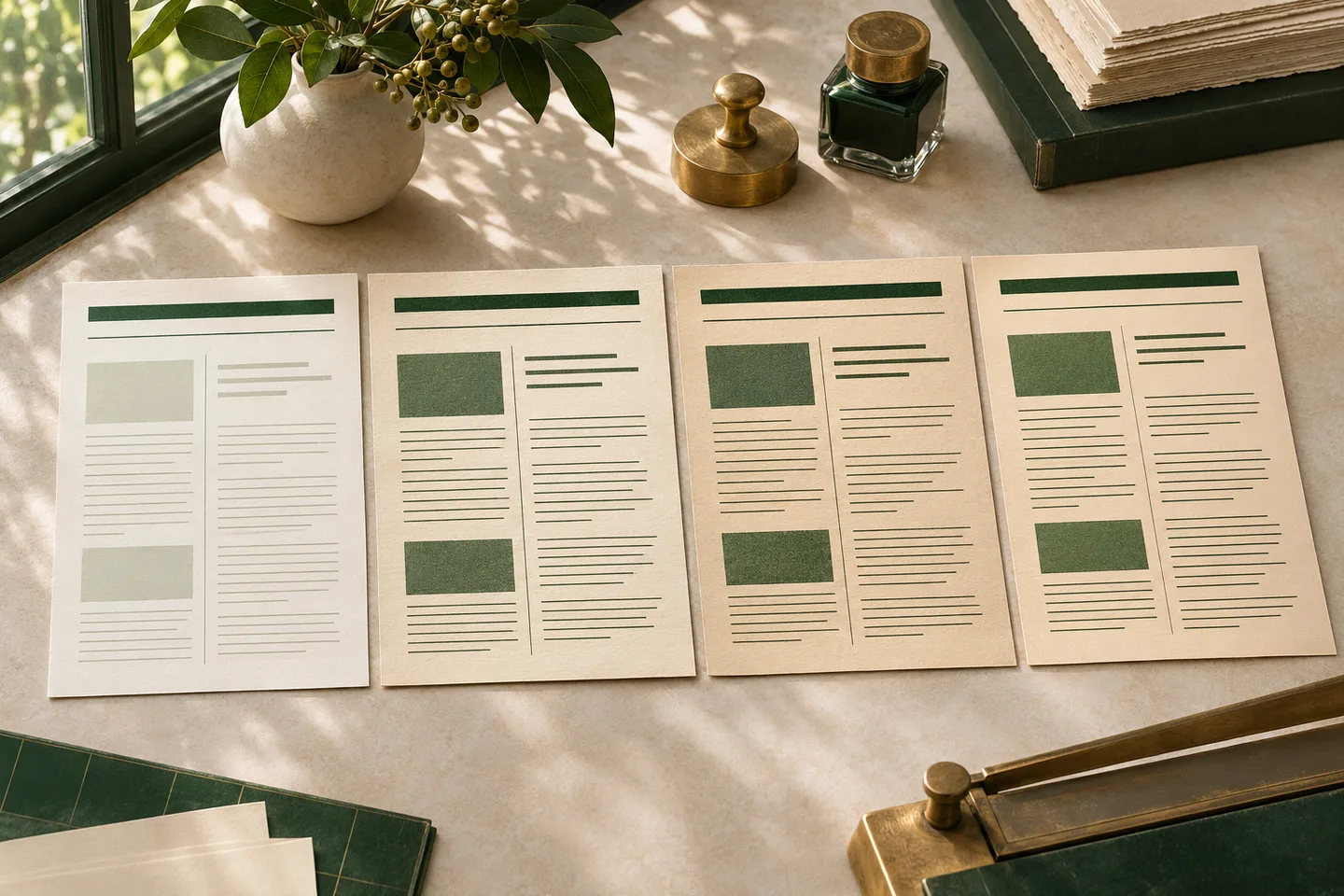
Reuse the approved layout and supply fresh data. Repeat work shifts from rebuilding the page to checking the records and unusual layouts.
Keep approved wording consistent across variants
Reuse a shared header, footer or terms section where documents need the same copy. When it changes, staff know which affected documents to proof.
Measure effort across editions
Time preparation and review for two typical runs. Count manual layout edits and look for outdated wording in the set that moved to the template.
How industries can use it
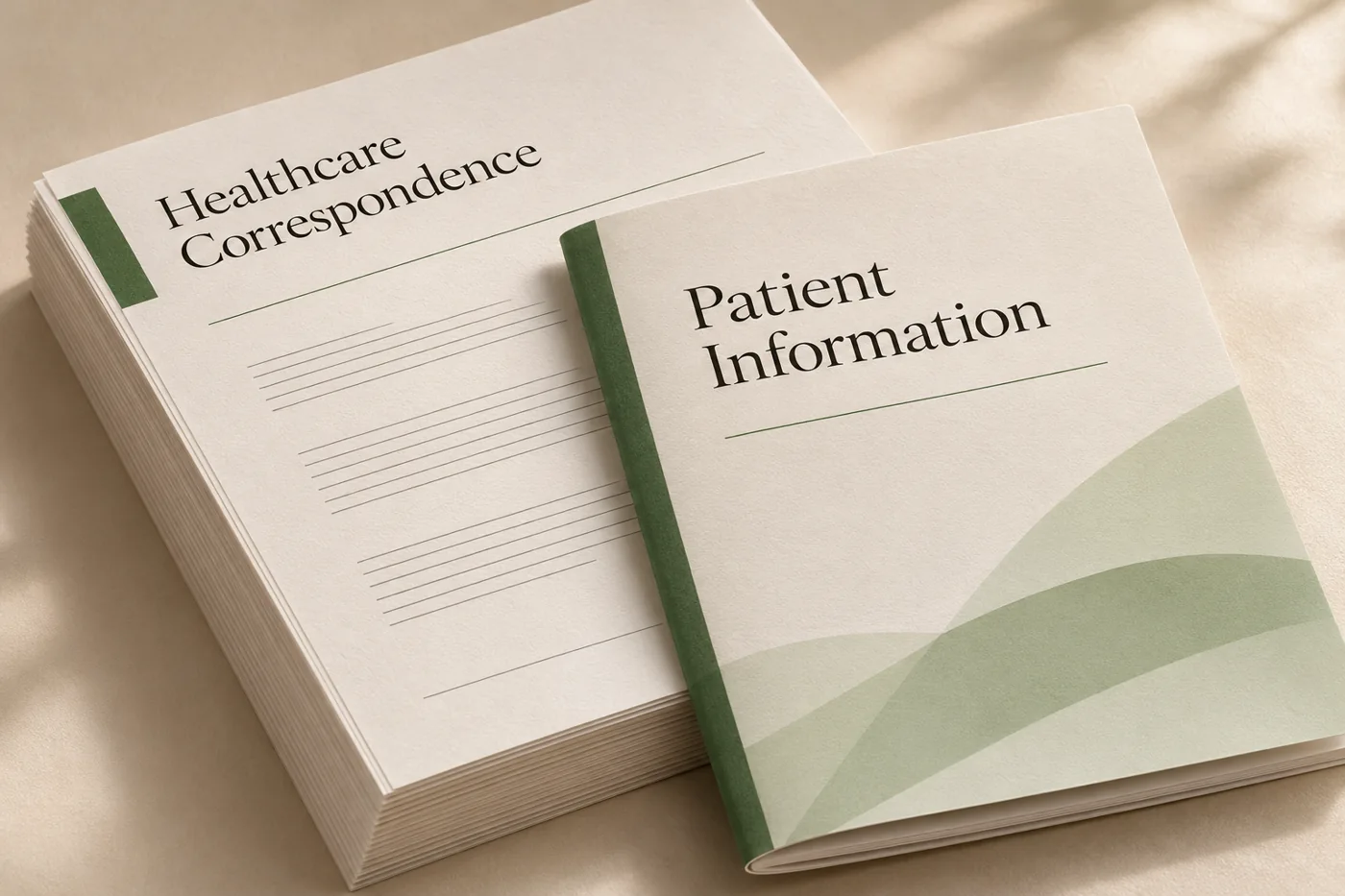
Keep appointment instructions in the right place
Reuse the approved letter structure and contact block, then fill the date, location and optional instructions from synthetic appointment records.
In the proof: Check that the next action is easy to find even when an address wraps.
Explore healthcare administration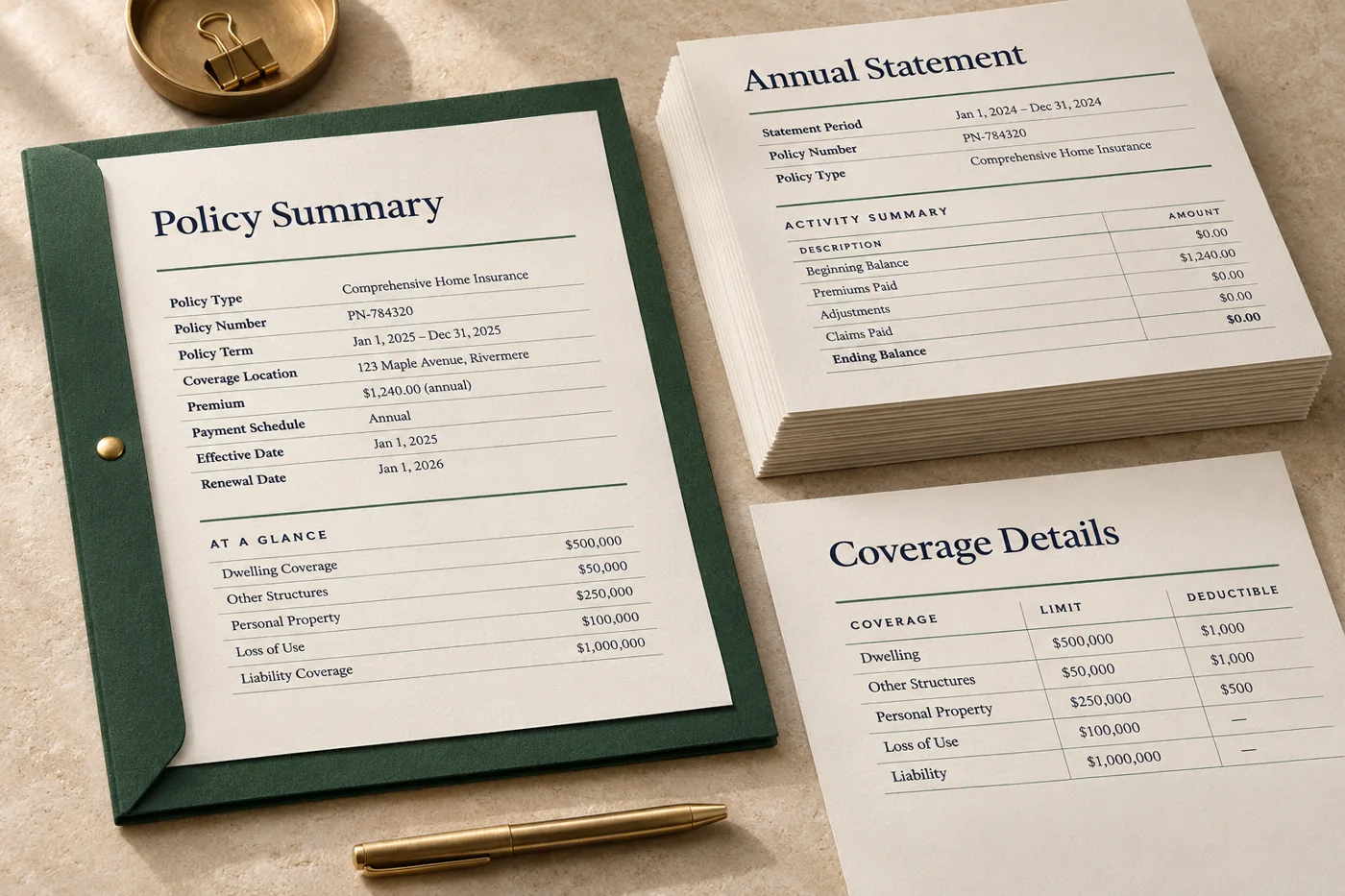
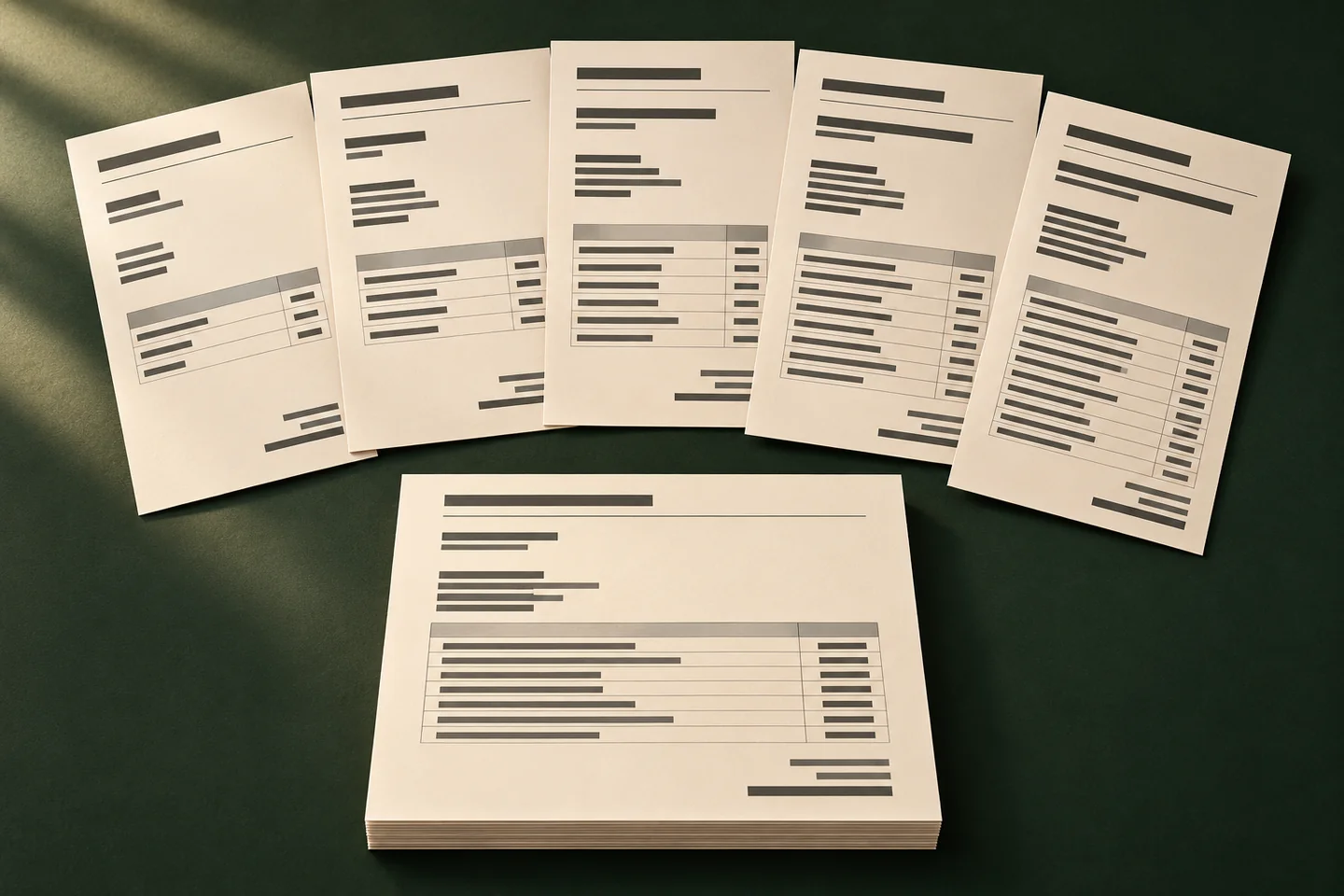
Keep a monthly statement familiar
Reuse the statement headings and footer while balances, dates and activity rows change each period.
In the proof: Proof the due date and summary fields against the source and review continuation pages.
Explore financial services & insurance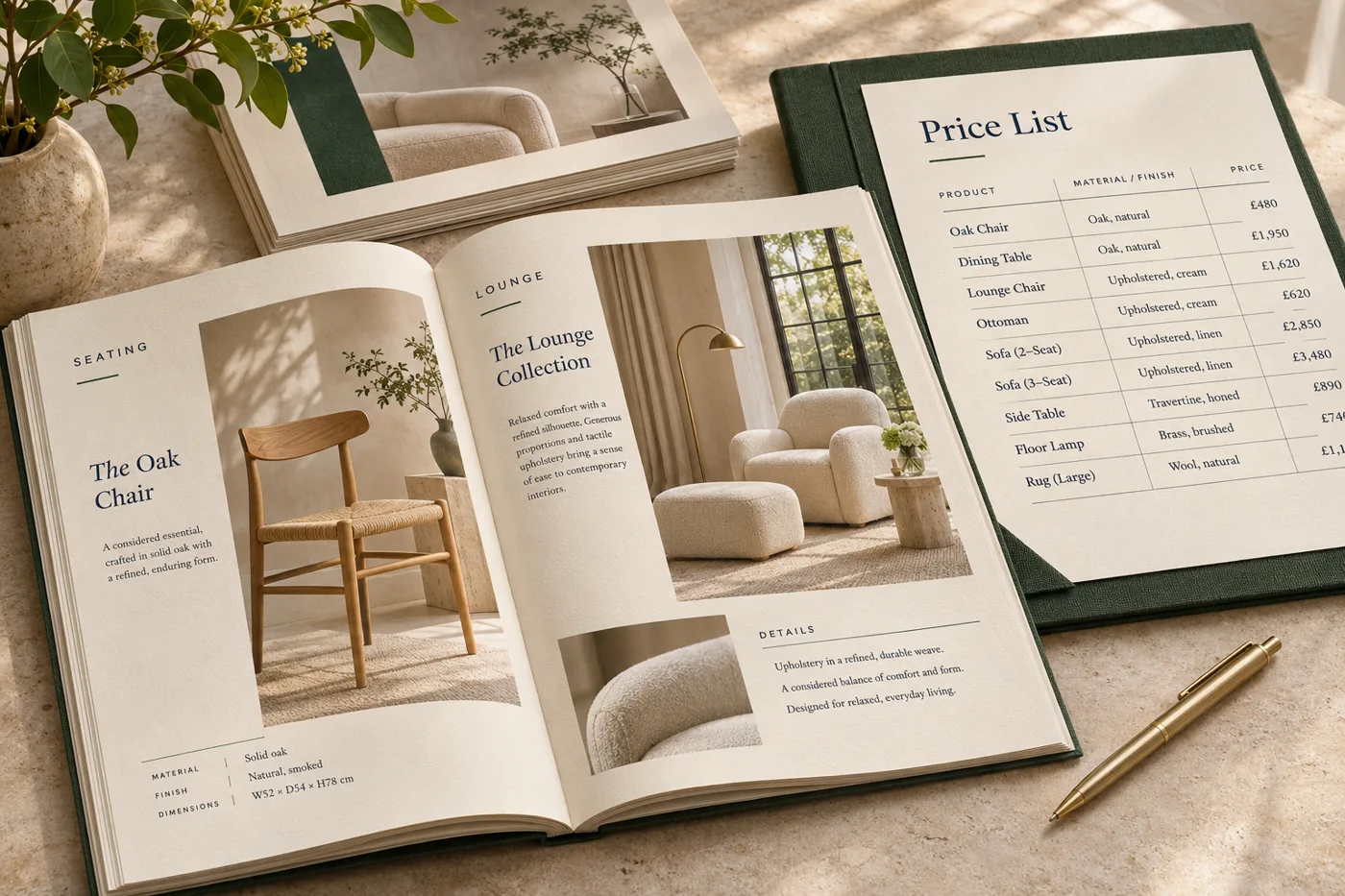
Roll the same price-list design out by region
Keep the approved branding and column order while the assortment and prices change by edition.
In the proof: Verify effective dates and make sure conditions appear with the intended offer.
Explore retailTest it on a document you already print
Start with an anonymised example and record what the finished file must do before the job moves to the next stage.
- Identify the fixed sections. Mark headings, approved wording, contact details and other sections your team wants to reuse.
- Map the changing fields. Include one short record, one long record and one with an optional field left blank.
- Review before reuse. Agree who approves template changes and which representative documents the team checks again after an edit.