PRODUCTION SPEED
Run batches in parallel
Keep deadline-driven runs moving: render independent jobs in parallel and reuse cached output when inputs haven’t changed.
Explore featureYour deadlines come back even when the data changes. Marqius helps your team reuse approved layouts, generate the next batch, and check the files before handing them off to print.
 ILLUSTRATIVE CONCEPT
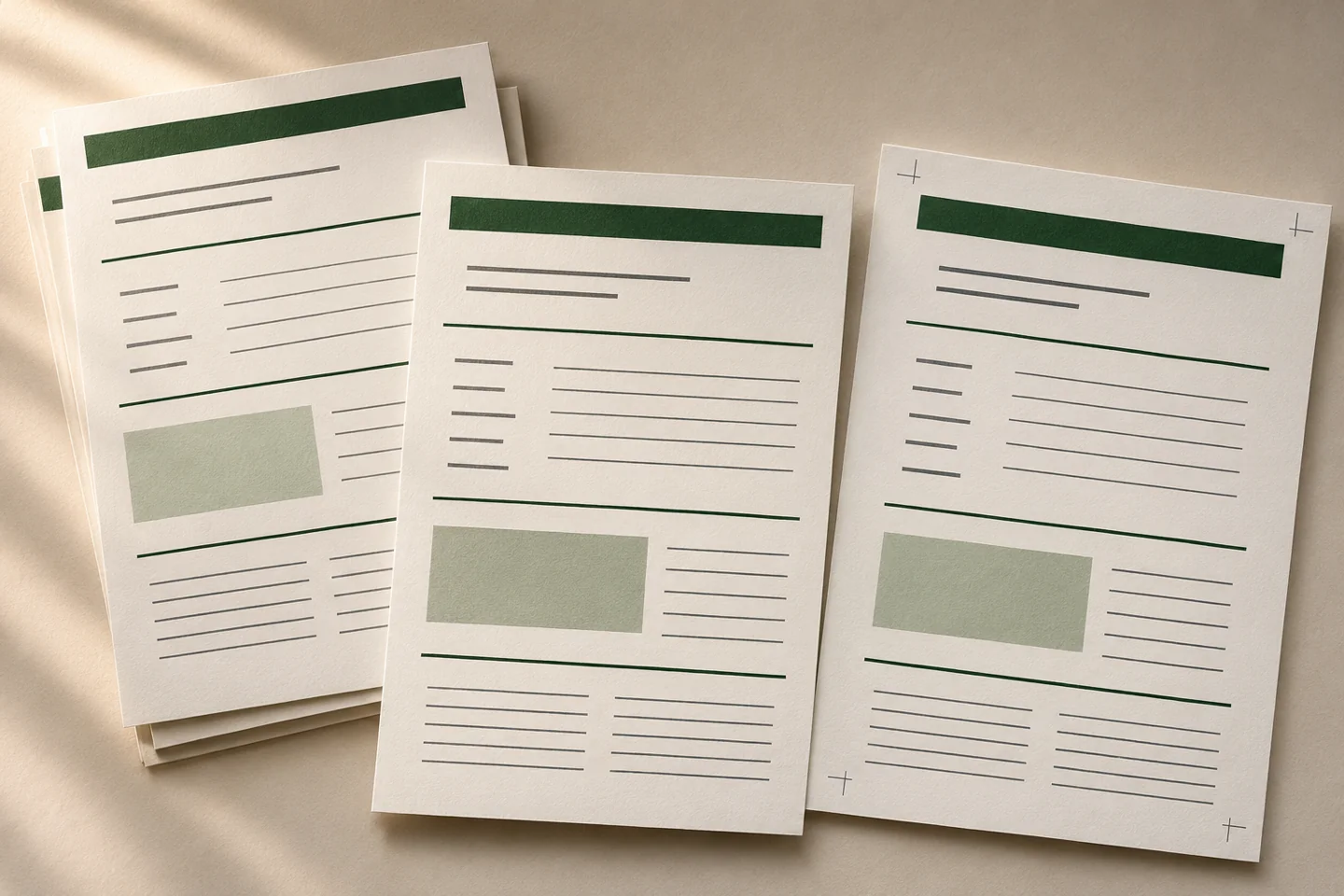
Marqius fits when your print queue fills with the same kinds of documents and the details change each time. Your team can keep the decisions it has already approved and spend its time checking the records, the exceptions and the final proof.
Reuse the same page structure, typography and shared elements when customer details, figures or product information change.
Try long names, optional sections and tables that run across pages. See how the layout behaves before you commit to the next batch.
Review page size, trim marks and output requirements with your production team or print partner. Use their feedback to refine the next proof.
Keep deadline-driven runs moving: render independent jobs in parallel and reuse cached output when inputs haven’t changed.
Explore feature
Set the colour profile, bleed, trim marks and sheet layout for the way you print. Inspect the actual finish with your print partner before the full run.
Explore feature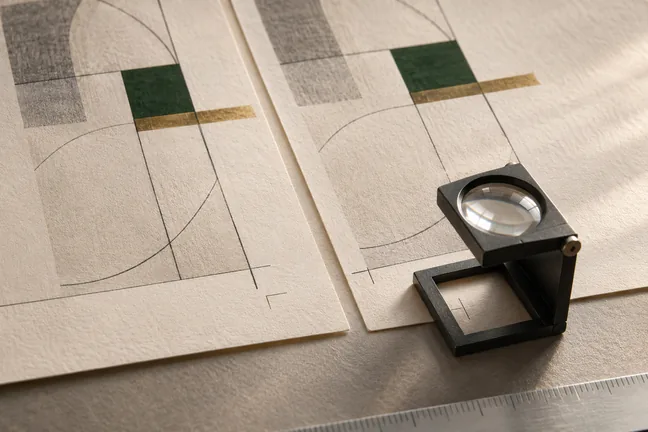
Use press checks and page-level findings to review the file before release. Strict mode can stop a run when a check raises a warning, so the next step starts with a decision.
Explore feature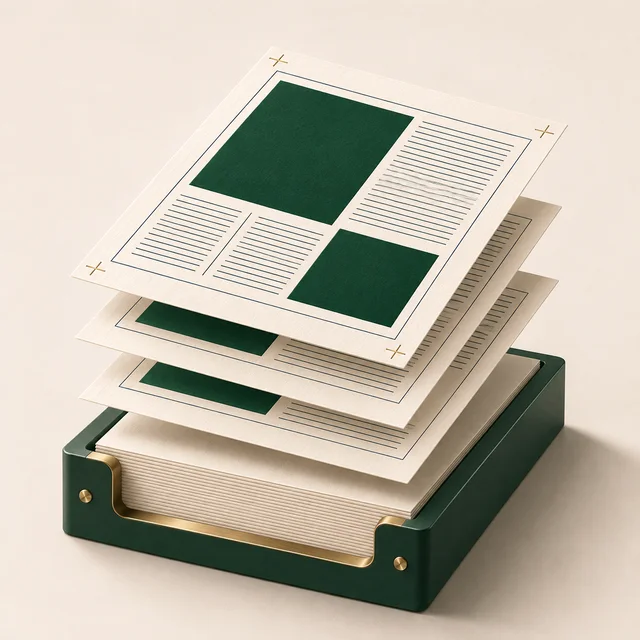
Turn HTML, Markdown and source data into PDFs with the press settings and checks your production needs.
Explore Engine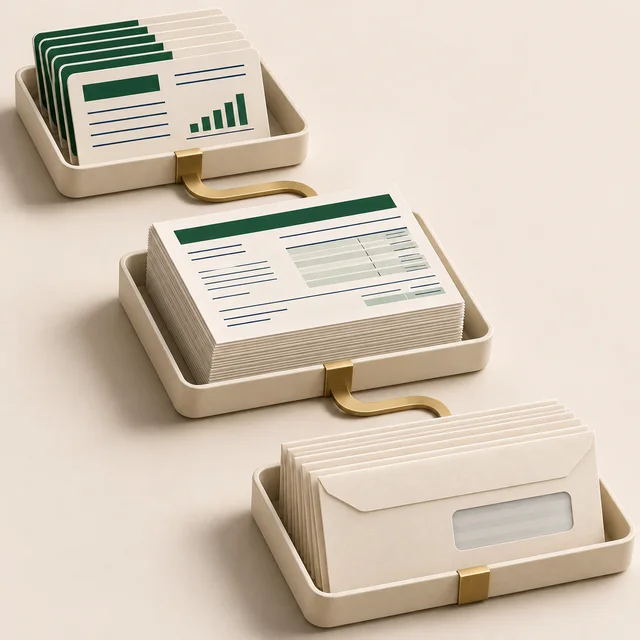
Bring changing information, approved layouts, job tracking and delivery into one recurring document workflow.
Explore Relay
Choose a book design and trim size, review the interior, and prepare the cover and edition files.
Explore Studio
Keep your code across 14 PDF libraries. Reuse your templates, render a familiar document and compare the PDF before switching.
Explore wkhtmltopdfA simple sample can hide the problems that recur in production. Start with an anonymised document that puts real pressure on the layout.
Tell us how it is made today and what the finished PDF needs to do. We’ll discuss what a representative proof should demonstrate.
Discuss a SampleWhen the document returns often and its data changes more than its design. Statements, notices and price lists are useful starting points.
It should show that the facts match the source, longer content still reads well, and the file meets the requirements you agree with your print partner.
Choose a recurring document that takes manual effort today. Include a typical record and the most awkward layout or input you expect the team to handle.